Movement Mindset and Me
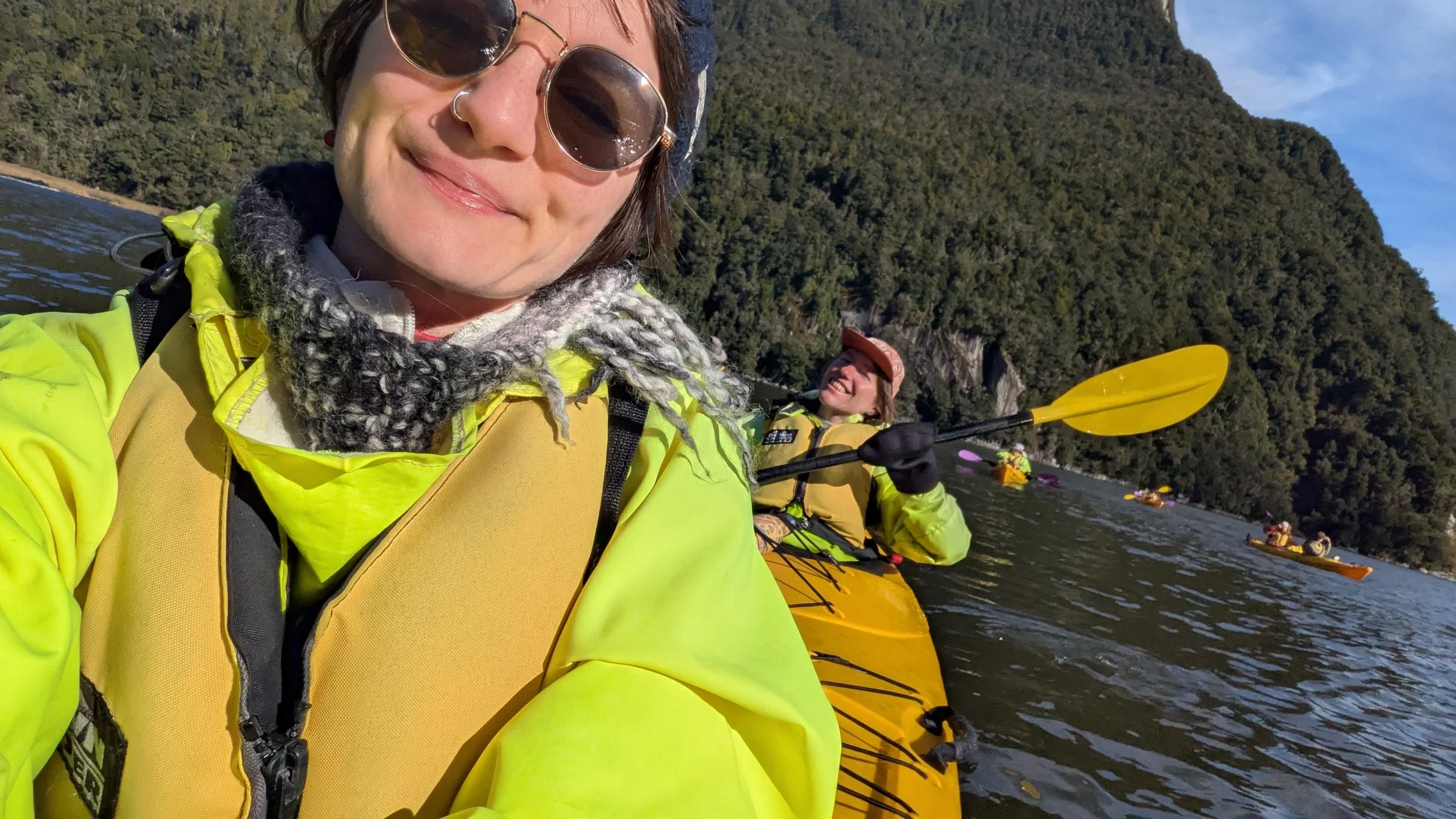
This is me, Alex, and surprisingly I love to move!
I say surprisingly because anyone who knew me as a teenager would see me as the person going out of my way to avoid PE lessons, and doing the absolute bare minimum physical activity. I had painful feet, painful shoulders and any attempts at athleticism always left me feeling worse than when I did nothing at all.
I'd spent my childhood doing gymnastics and ballet but quickly fell out of love with stern, punitive teaching styles and the casual body shaming of anyone who dared go through puberty. By the time I got to uni I had a pretty warped idea of what my body should look like.
I had tried running, going to the gym, and other more high impact exercise classes but none of them made me feel good. I’d leave the gym feeling exhausted, and in the coming days I wouldn’t just get ordinary muscle soreness but joint pain in my knees and hips. I didn’t think this was the kind of delayed onset muscle soreness (DOMS) that most people were experiencing and it turned out I was right. A few years ago I was diagnosed with hypermobile EDS (Ehlers Danlos Syndrome) which explained so much of the pain, and lack of coordination that I had experienced in my childhood and teenage years.
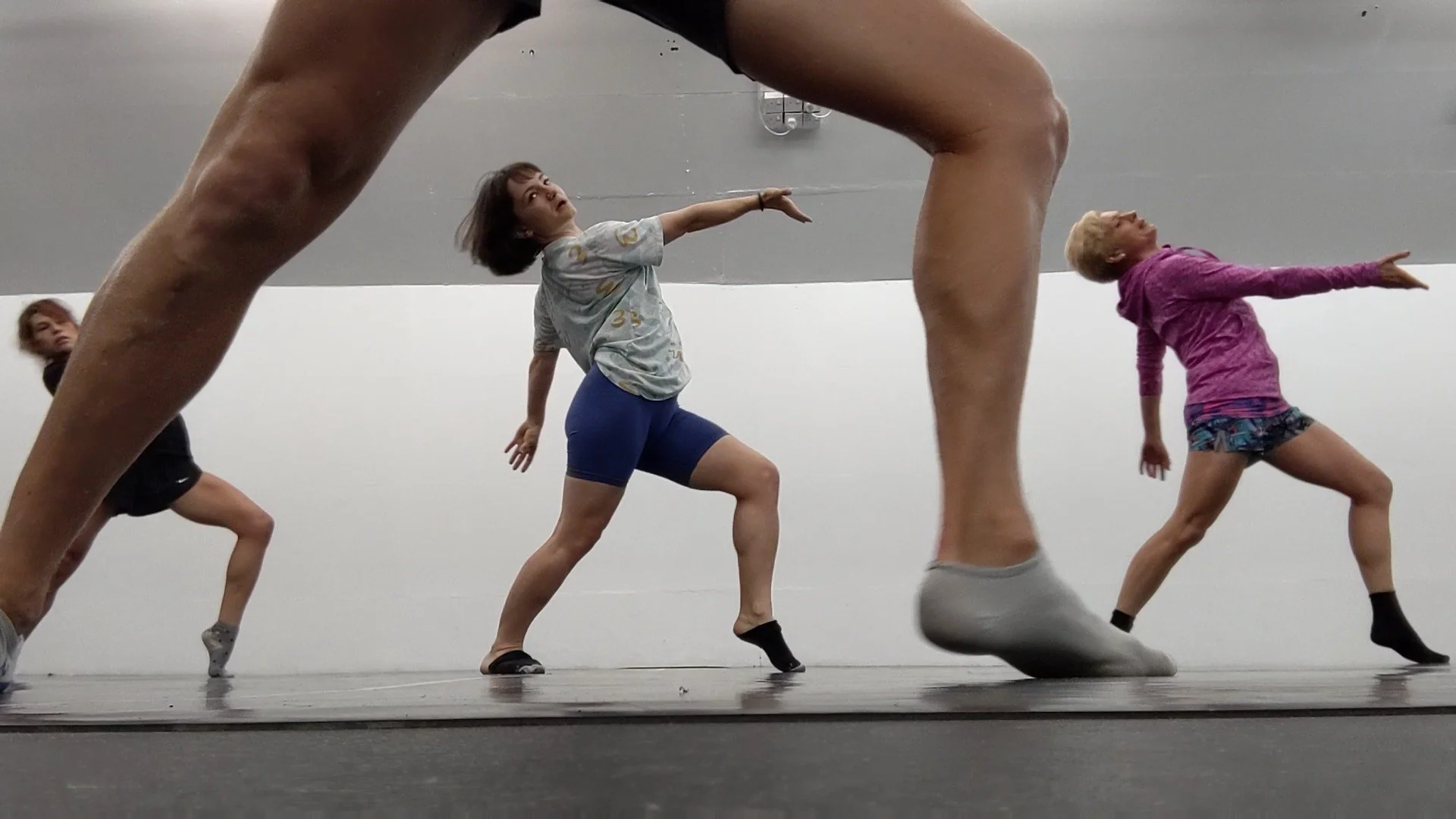
Well, several years have passed and boy have I learnt a thing or two about my body! I've managed to overcome a lot of the body-shaming that the dance and gymnastics mentality of the 1990s ingrained in me; I’ve entered my "nourish, not punish" era. I have found a part of myself that wants to take up as much space as possible, that wants to be strong and move confidently through the world. I've figured out my hypermobility (in an "ongoing project" sort of way) and know when I need to ease off or pivot my training.
Last autumn, I added even more information to the movement pot when I learnt that I am autistic. This explained a whole lot to me about why I enjoy certain kinds of movement and classes, and really struggle with others. I find packed classes very difficult and easily get stressed out when I’m squashed close to other people in a studio. Overly loud music is overwhelming for me from a sensory perspective, and I find imprecise instructions will stop me in my tracks. I’ve always gravitated towards structured types of movement where there’s more of a clearly defined way to move and use your body - that way I know if I’m doing it correctly, and exactly what’s needed to improve. The precision that Pilates asks for lends itself very nicely to my brain and its preference for exactitude!
I can't believe I'm in a place where I actually enjoy exercise now - it's so different to where I was 15+ years ago. Pilates has helped me get in touch with my body and its needs, it helped me work in a more connected way, it helped balance my extreme flexibility with power and control.
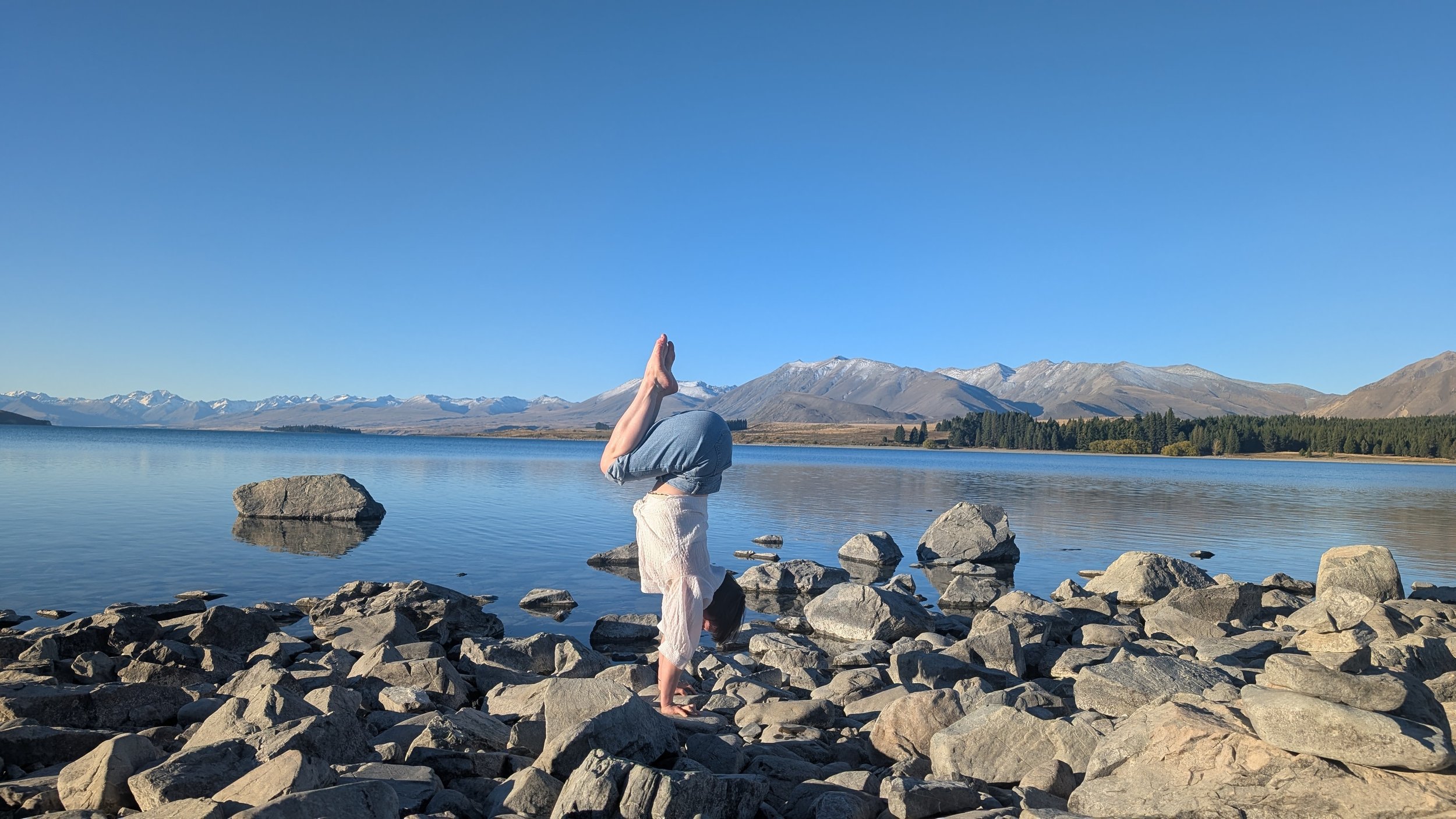
Handstands by Lake Tekapo
If I hadn't found Pilates years ago I'm not sure I would have been able to rediscover dance, explore handbalancing, and enjoy a huge variety of other types of movement over the last few years. Learning how to love movement that works for me is part of the reason I'm so excited to be co-hosting a Movement Mindset workshop with Rosie Webster in June. While I’ll help you to understand your body and work on specific movement based challenges, Rosie will help you to understand yourself, what’s blocking your progress and how you can build healthy habits that really stick.
Check out my workshops page for more information on this exciting event and opportunity for you to reconsider movement and your relationship with exercise.